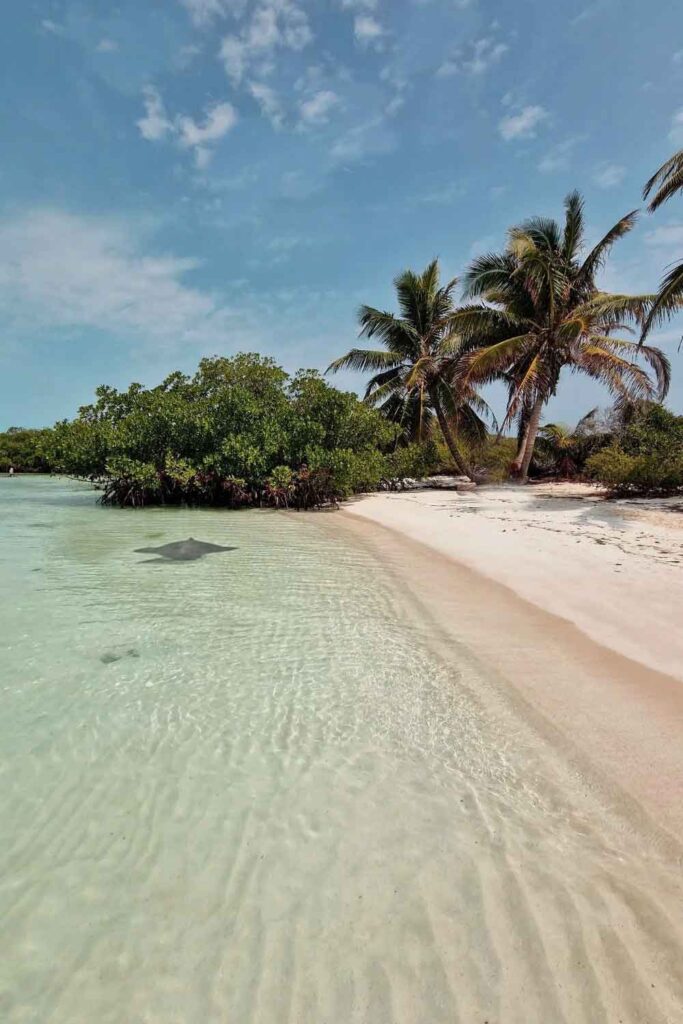
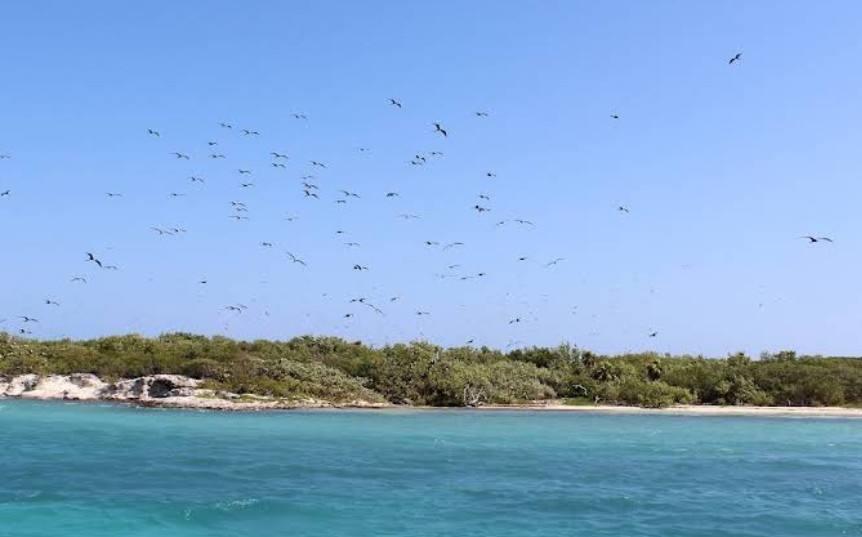
Known as “The Island of Birds”, it is a protected natural reserve that serves as a sanctuary for more than 150 species of resident and migratory birds.
With no hotels, roads, or permanent residents, Contoy remains one of the last untouched natural spaces in the region — home to migratory birds, nesting sea turtles, coral reefs, and vast mangrove forests.
The island stretches 8.5 km (5.2 miles) in length and is no wider than 20 meters (65 feet) at its narrowest point. Despite its small size, Isla Contoy plays a vital role in the ecological balance of the region, acting as a safe breeding ground for sea turtles, seabirds, and countless marine species.
Designated as a National Park in 1998, Isla Contoy is co-managed by the National Commission of Protected Natural Areas (CONANP) and local environmental organizations. Strict conservation rules ensure that the island remains untouched: only 200 visitors per day are allowed, and no one is permitted to stay overnight.
Visiting Isla Contoy is like stepping back in time — untouched white sand beaches, crystal-clear waters, and thriving wildlife offer a rare glimpse into the Caribbean as it once was.
LOCATION
Isla Contoy is a small, pristine island located about 30 kilometers (19 miles) north of Isla Mujeres, where the Caribbean Sea meets the Gulf of Mexico.
HISTORY
Although uninhabited today, it has a long and meaningful history shaped by its ecological importance, strategic location, and eventual designation as a protected area. Its story reflects the evolution of human interaction with nature — from indigenous navigation to modern conservation science.
Pre-Columbian Use by the Maya
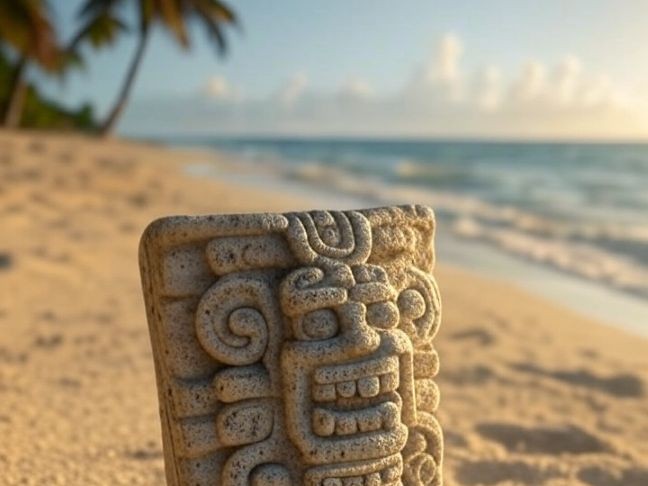
There is no evidence of permanent settlements on Isla Contoy in pre-Hispanic times; however, the ancient Maya civilization was known to navigate and exploit coastal resources throughout the Yucatán Peninsula. Due to its location, Contoy likely served as a temporary stop for fishing, gathering, or resting during maritime trade routes along the coast.
- The island’s name is believed to derive from Mayan words related to birds or low-lying land.
- Its proximity to other Mayan centers like Isla Mujeres and the mainland made it a minor but useful waypoint.
Post-Colonial Period and Traditional Use
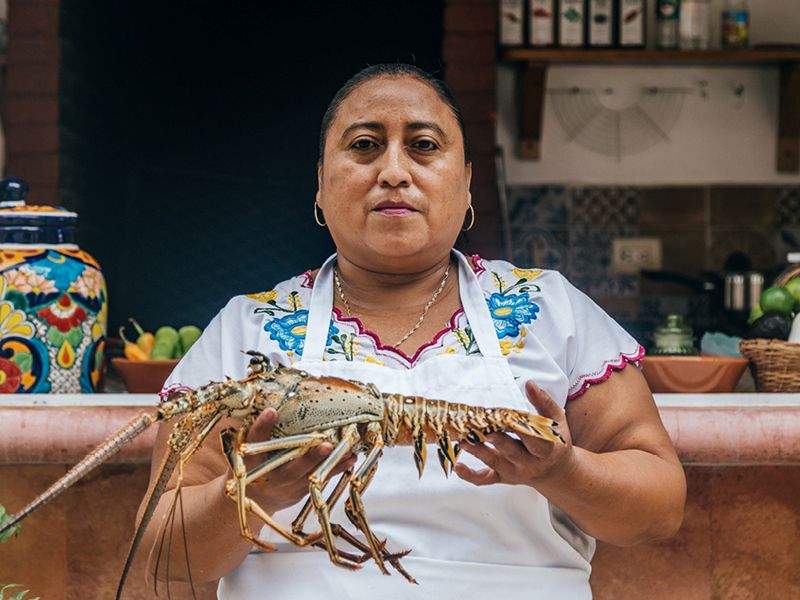
Throughout the colonial and post-colonial periods, Isla Contoy remained largely uninhabited, though it was frequented by local fishermen from the mainland and nearby islands. It became known for:
- Abundant marine resources (lobster, fish, conch)
- Bird nesting areas, particularly for frigatebirds and pelicans.
Due to its isolation, the island remained largely undisturbed, preserving its ecosystems by default.
Scientific Recognition and Environmental Value
In the early 20th century, naturalists and biologists began identifying Contoy as a significant site for avian biodiversity and marine ecosystems. This led to increased interest from researchers and conservationists.
- In 1961, the island was officially declared a protected area by the Mexican government.
- Over time, data revealed that Contoy played a crucial role in the reproduction cycles of four species of sea turtles, migratory birds, and coastal vegetation, particularly mangroves.
Isla Contoy’s history is not marked by urban development or conquest, but rather by minimal human interference and a growing understanding of its ecological importance. Today, it stands as a living laboratory and a critical sanctuary for biodiversity, playing an educational role for all who visit or study it.